
Why study in Ireland?





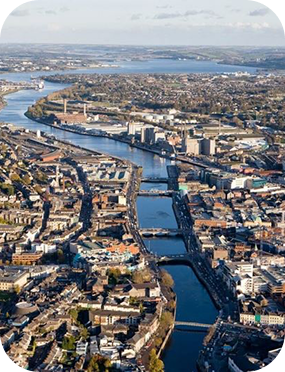
What studying in Ireland offers you
Start building a better future for yourself or your child today.
-
 A high-quality education and a high quality of life
-
The right to work part-time during the academic year
-
Study in one of the safest countries in the world
-
Strong support for international students
-
Career opportunities at companies such as Meta, Google, IBM, Booking.com and Apple
-
Affordable tuition and living costs
-
An Irish degree that is highly valued internationally
-
Strong career prospects and some of the highest salaries in Europe


Leave your details and one of our experts will be in touch


Programmes we can help you with

Summer camps
up to age 17

Secondary school
age 10+

Language courses
age 16+

Foundation and
pathway programmes

University degrees
bachelor's and master's

Strategy and planning
-
Step-by-step support from a dedicated adviser, from first consultation to enrolment
-
Career guidance and help choosing the right subject
-
A tailored admissions strategy for school or university
-
Help putting together your portfolio for schools and universities

Exams and applications
-
Tutoring and entrance exam preparation
-
Help with your motivation letter
-
Organised visits to schools and universities
-
Guidance on paying tuition fees abroad

Living and studying abroad
-
Ongoing support throughout your studies
-
Guardianship services
-
Visa support
Where you can study with us


The UK, Ireland, the USA, Canada, Australia, China, Singapore, the UAE, South Korea, Turkey, Switzerland and across Europe, including Germany, Spain, Italy, France, Cyprus, Hungary, Austria, Portugal, Malta and the Netherlands.






Thousands of students are already studying around the world. You could be next.
Why families trust Smapse

Since 2009, we've helped thousands of students get into schools and universities in more than 20 countries, working closely with admissions teams and consulates around the world.

Expertise and experience
We've specialised in international education since 2009. Our team studied abroad themselves, so we know the process inside out.

Lower risk
We handle the paperwork and help you avoid costly mistakes, so you can focus on getting a great education at school or university.

Our own GA method
Our Guaranteed Acceptance (GA) method gives you step-by-step support throughout the admissions process. More than 9,000 students have already used it to get into schools and universities around the world.
- Specialists in international education since 2009
- A clear, transparent process from start to finish
- We've studied abroad ourselves, and we visit partner schools and universities every year
- Offices in the UK, Italy, the Netherlands, the UAE, Turkey and beyond
- Trusted by schools, universities and consulates around the world
- 4,000+ partner schools and universities worldwide
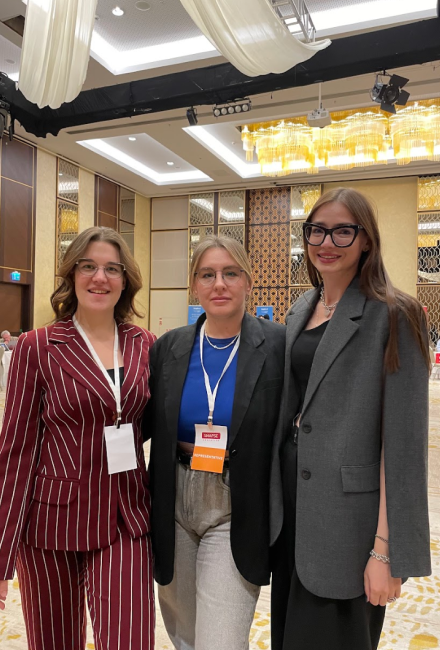
Personal contacts in the admissions offices of hundreds of institutions

We host international education fairs every year in the UK, the UAE, Turkey and other countries
Meet our advisers: we've all studied abroad

Nikolai
-
—
Co-founder of Smapse Education and several other ventures in the UK, the UAE and Turkey
-
—
Alumnus of Brunel University London and London Business School
-
—
Former Brighton College pupil
-
—
Expert adviser and mentor for secondary and higher education abroad

David
-
—
Master's degree from Asia Pacific University (APU), Malaysia
-
—
Has helped students win places at Imperial College London, King's College London, UC Berkeley, UCLA and other top universities
-
—
Can help you turn your plans to study abroad into reality

Daria
-
—
Graduate of the National and Kapodistrian University of Athens
-
—
Has lived abroad for 9 years
-
—
Her students attend leading schools in the USA, Canada, Switzerland and the UK

Ilya
-
—
Graduated from Salem International University (West Virginia, USA) on a full scholarship
-
—
Specialises in admissions to top universities in the USA, Europe and the UAE
-
—
100% of his students have been admitted to their chosen universities
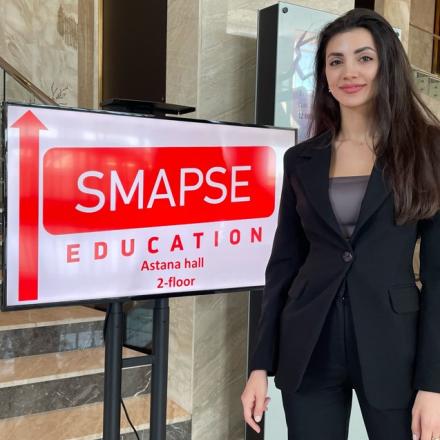
Mari
-
—
Graduate of NEOMA Business School, Reims (France)
-
—
Interned in Beijing, China, and in Switzerland with the UNCTAD Virtual Institute
-
—
Helps students get into secondary schools and universities worldwide, including French public universities
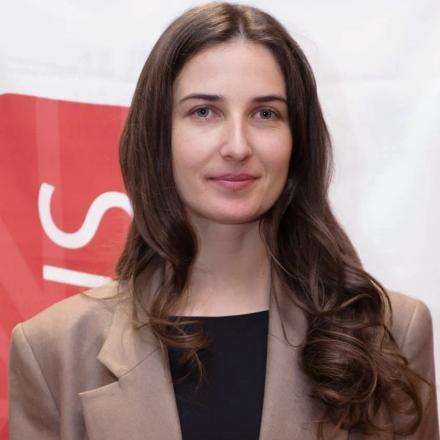
Elena
-
—
Studied languages at Alpadia Berlin, Humboldt-Institut Konstanz and Kaplan Oxford
-
—
Helps 70+ students get into their chosen schools and universities every year
-
—
Specialises in boarding schools worldwide and visits them in person
-
—
Hundreds of happy families

Evgeny
-
—
Graduate of the University of California, Santa Barbara (USA)
-
—
Took language courses in Los Angeles
-
—
Twice took part in the Work and Travel USA programme, in New York and Massachusetts
-
—
Helps 50+ students get into their chosen universities every year
-
—
Specialises in schools and universities in the USA, the UK and South Korea
What our students say
We focus on results and do everything we can to help you get into the school or university you want.

Aleksandra
age 19

Sergei
age 23

David
age 21

Kim Nicole
age 17

Maria
age 24

Aleksandra
age 18

Adel
age 19

My new life began in Ireland. I've made friends from all over the world, and I genuinely enjoy my studies. The lecturers really know their subject and still work in the industry, the content is up to date, most assignments are practical, and every module is relevant to my course, with no filler. Living and studying abroad is an amazing experience. If you're thinking about studying abroad, I'd definitely recommend Smapse!

Griffith College Dublin, Ireland

A huge thank you to the Smapse Education team, especially Ildar. He helped me achieve my dream of studying at a fantastic university in the heart of London. I'd recommend Smapse to anyone: they guide you through every step, from applications and paperwork to settling into student life abroad. Thank you!

King's College London

I'd like to thank Smapse, and especially David Atoboev, for all his hard work. He answered all my questions promptly, dealt quickly with everything the admissions office asked for, put together my whole application, acted as my representative and supported me from our very first consultation right up to my flight to London. Studying here was my dream, and now I'm here. I'm really glad I chose Smapse. Thank you!

Birkbeck, University of London
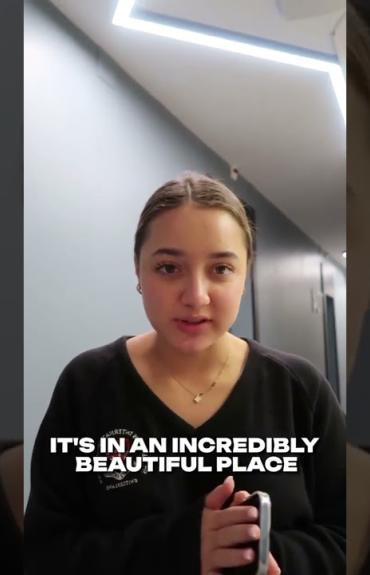
Mari has been wonderful to work with. She gave me lots of support, arranged all my interviews and tests, always answered my questions and was always there when I needed her. I'm currently studying for the International Baccalaureate (IB), and with one year of school left, I'm planning to keep working with Mari on my university applications. We've already applied to two universities, one in London and one in Milan, and I can't wait to hear back. Thank you so much for your help!

St. George's International School, Montreux, Switzerland
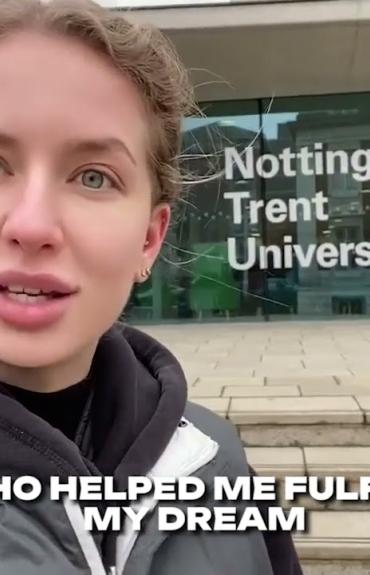
I live and study at Nottingham Trent University. A big thank you to the Smapse Education team for helping me fulfil my dream of moving to a new city and studying here, especially David, who helped me find a course that suits me perfectly. I'd happily recommend this team: they'll help you find the right course and support you all the way, from choosing a university to submitting your application. If you need that kind of support, get in touch with them.

Nottingham Trent University, UK

I'd like to thank your team for everything you did to help us. I really like it here and enjoy my studies. Your advice and support made everything so much easier. The teachers are great and we get on really well with them. I'd definitely recommend this school.

Hispania Spanish School, Valencia, Spain

Hi everyone! I'm Adel, I'm from Kazakhstan, and I'm now studying at TU Wien (Vienna University of Technology) in Austria. I'd like to thank Smapse for making this happen, especially Ekaterina, who helped me with my university documents, and Valeria, who helped me get my Austrian visa. A beautiful city, interesting studies and wonderful friends make this a truly memorable time in my life. Thank you, Smapse!

TU Wien, Austria
As featured in


What level of English do I need to study abroad?
It depends on the programme and level of study, but most universities ask for at least B2 (upper intermediate). Native English speakers are usually exempt from language tests.
Will universities abroad accept my high school qualifications?
In most cases, yes. Universities usually ask for your high school diploma and transcripts. The most selective universities, such as the Ivy League, may also ask for national exam results or standardised test scores such as the SAT or ACT.
Why do some students need a foundation year before starting a degree?
Education systems differ from country to country, so depending on your school qualifications, you may need a foundation programme before starting a bachelor's degree. It isn't a wasted year. A foundation programme helps you adapt to new teaching methods, build your academic skills and core subject knowledge, and learn how university works, from working with lecturers to assessment and coursework. In some countries, such as the USA and Canada, this preparation is built into the first year of university.
Can I go straight to university after finishing school?
It depends on how many years of schooling you've completed and which qualifications you hold. If your school system is shorter than the one in your destination country, you may need a foundation programme to bridge the gap. It's time well spent: you'll start your degree already familiar with the teaching style and with a solid grounding in your subject.
Which English tests do universities accept?
The most widely accepted tests are IELTS (International English Language Testing System) and TOEFL (Test of English as a Foreign Language). They're recognised by most universities in the UK, the USA, Canada, Australia and other English-speaking countries, and by English-taught programmes in Italy and across Europe.
Is there an age limit for applicants?
There's no age limit, but your age and any gap since your last qualification can affect student visa decisions. Most students start foundation and bachelor's programmes at 18–21 and master's programmes at 23–25.
Can international students work while studying?
Rules vary by country, but students can usually work up to 20 hours a week during term time. In the second and third years, programmes become more specialised and many universities offer paid internships.
Are there courses to prepare for entrance and language tests?
Yes. Many schools and language centres offer intensive preparation courses for IELTS, TOEFL, the SAT and the ACT. They usually cover core skills, practice with real test tasks and support from experienced teachers, which helps students improve their scores.
What's the best age to start school abroad?
We usually recommend 13–15. By this age, children are more independent, can manage their day-to-day needs and settle in socially more easily. Starting at this age also gives them enough time to adjust to a new school system before moving on to sixth form or upper secondary programmes.
From what age do boarding schools accept children?
Many boarding schools accept children from around age 6, when primary school begins, but this varies widely by school and country. Some schools in Switzerland take children from 3–4, UK schools usually from 6–7, and some schools in Austria, the USA, Canada, Spain and the UAE only from 12–13.
What language do European boarding schools teach in?
It depends on the school, its location and its curriculum. At most international boarding schools in Europe, however, English is the main language of instruction, both in lessons and in everyday school life.
Can my child get into a school if their English isn't strong enough yet?
Yes. Private international schools have years of experience with international students and offer academic support, from extra help with subjects to additional English lessons, so students can settle in quickly. There are also specialist preparatory schools that run intensive programmes to prepare students for top-ranked schools in a short time.
What entrance tests are there, and is IELTS required?
Most schools don't require IELTS, as they run their own English tests. Many also test maths and non-verbal reasoning, which shows how a student approaches learning. An interview with the admissions team is almost always part of the process. It's a chance for the school to learn about the student's goals and interests, and for the student to ask any questions they have.
How will my child cope at boarding school without us?
International schools have long experience of welcoming students from abroad, and they put a lot of effort into helping children settle in, especially in the first few months, so they feel at home away from home. Each student has a personal tutor who helps with everyday matters, and schools organise team-building games and activities in the first days after arrival. Children can also call home regularly.
Can you help with paying tuition fees abroad?
Yes. With offices in several countries, we can advise you on how to pay tuition fees and deposits to schools and universities abroad quickly and securely.
Do you help with visas?
Yes. We have a dedicated visa team that will guide you through the student visa process.
When should I start preparing my application?
We recommend starting at least a year in advance. Every school and university has its own application deadlines, so it's important to plan ahead. That said, many institutions accept applications until their places are filled, so we can also help if your timeline is tighter.
How exactly can you help me?
Drawing on years of experience in international education and our own time studying abroad, we developed our Guaranteed Acceptance (GA) method, which has already helped more than 9,000 students get into schools and universities around the world. We support each student from start to finish: we identify your strengths and goals, shortlist the right programmes, countries and institutions, build your admissions strategy, prepare your documents and translations, liaise with schools and universities, and get you ready for entrance tests and interviews. Once you've received your offers, we help with your visa and your preparations to move abroad.
Do you offer entrance exam preparation?
Yes. We work with a large network of experienced, carefully selected tutors who prepare our students for admission abroad.
Can I meet you in person?
Of course. You can book an in-person consultation at one of our offices, or speak to us online via Zoom or by phone.




 UK
 USA
 Canada